

|
 おさばぐさ (筬葉草)
|
|
|
                   |
|

|
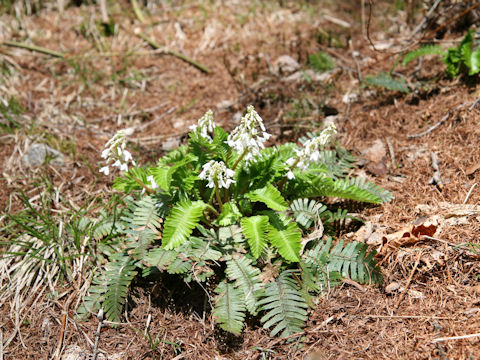
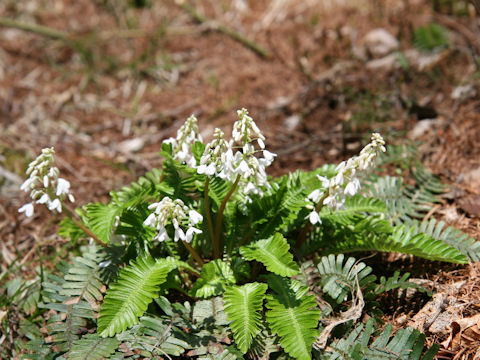
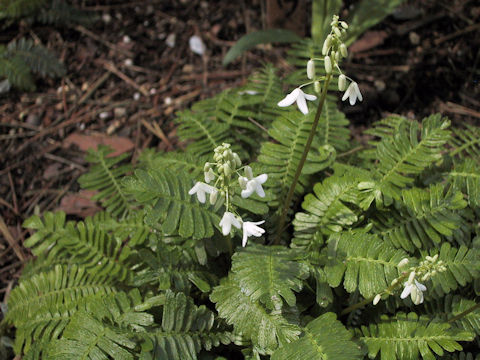
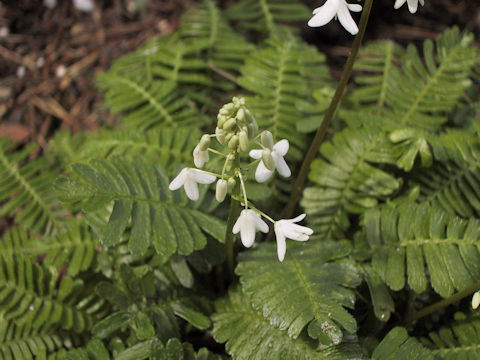
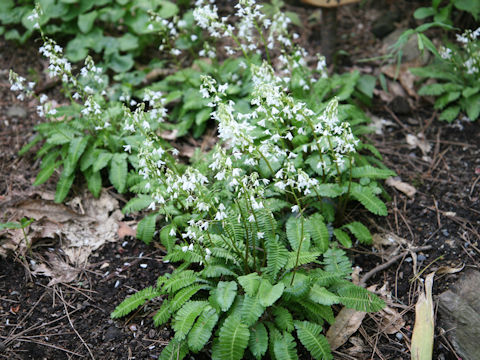
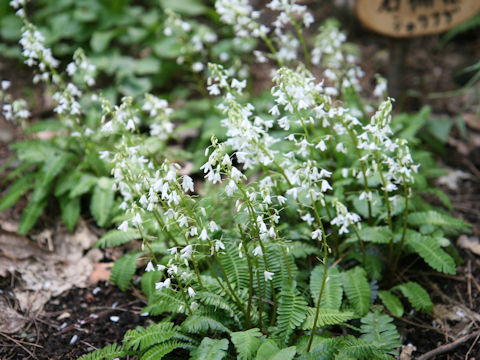
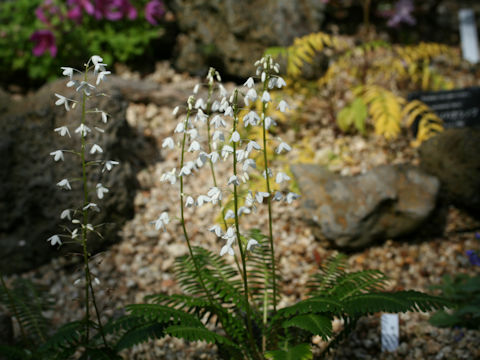
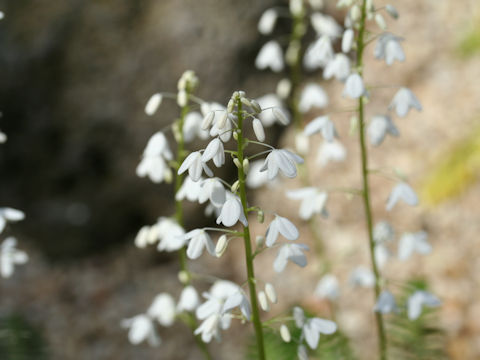
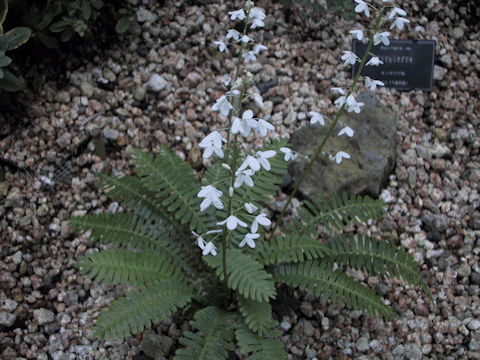
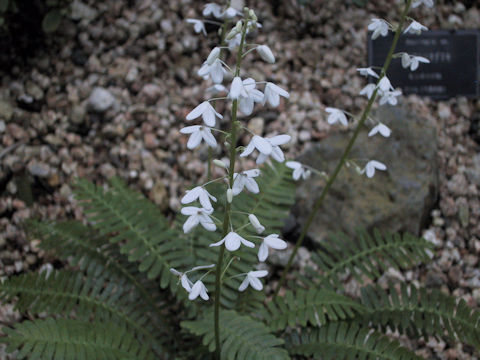
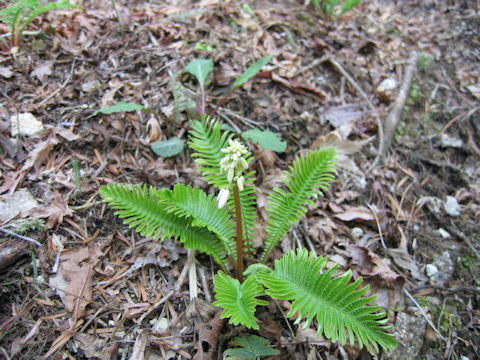
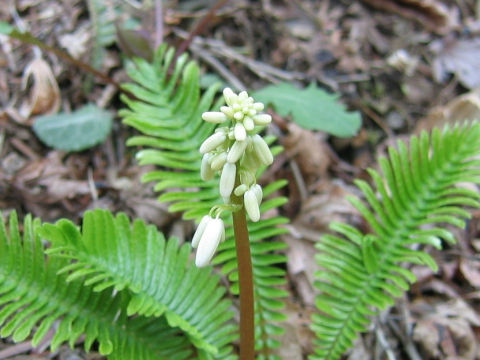
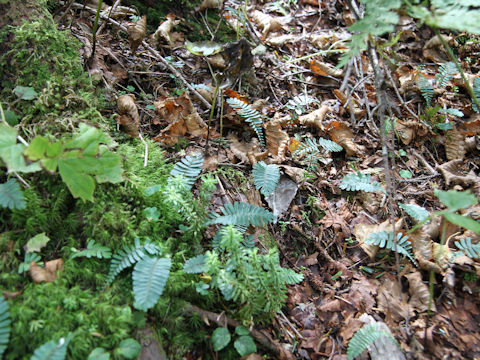
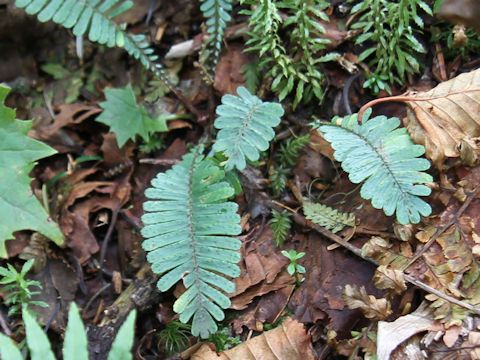
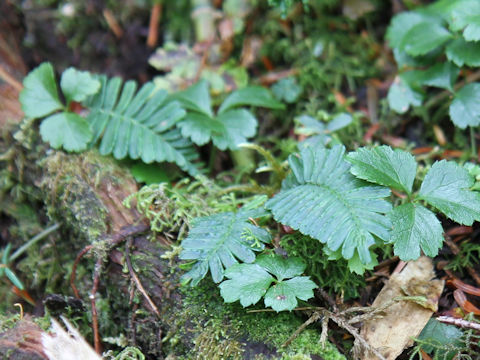
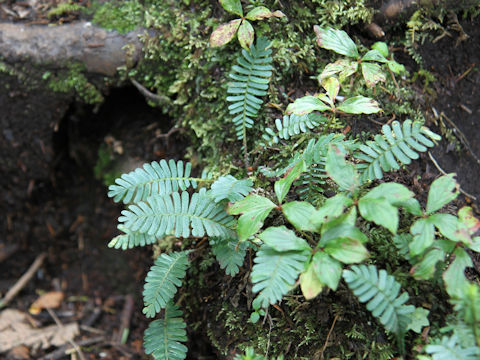
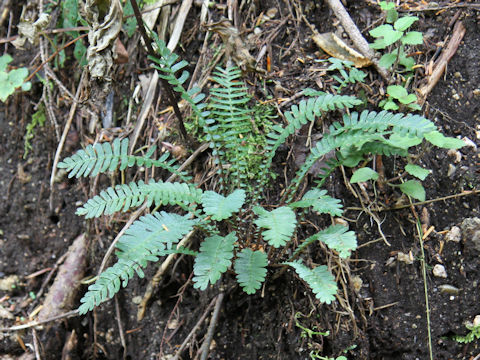
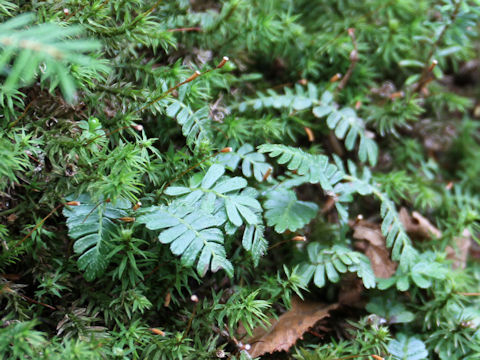
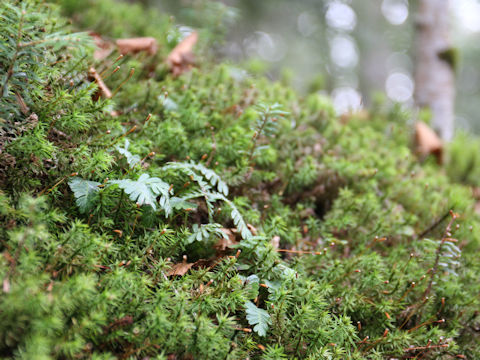
わが国の固有種で、本州の中部地方以北に分布しています。一属一種です。深山の針葉樹林のなかに生えます。葉は倒披針形で根生し、櫛の歯状に全裂します。6月から8月ごろ、細い花茎を伸ばして総状花序をつけ、小さな白い花を下向きに咲かせます。和名は、葉のかたちを機織りの筬(おさ)に見たてたもの。 |
|
|
ケシ科オサバグサ属の多年草で、学名は Pteridophyllum racemosum。英名はありません。 |
|
|
"Osaba-gusa" (Pteridophyllum racemosum) belongs to Papaveraceae (Poppy family). It is the only species in the genus Pteridophyllum. It is a perennial herb that is endemic to Japan and distributed northward from Chubu district of Honshu. This herb grows in coniferous forests of deep mountains. The leaves are basal, oblanceolate and divided into comb segments. The slender stalk grows up and bears the raceme, the small white flowers come in June to August. The Japanese name "Osaba-gusa" (Comb-like reed grass) is derived from leaf-shape. |
|
|
[上・中1 長野県伊那市西春近「かんてんぱぱガーデン」にて、2007年05月08日撮影。 [中2・中3] 同上にて、2003年04月27日撮影。 [中4・中5] 長野県阿智村「ヘブンスそのはら」にて、2007年05月08日撮影。 [中6・中7] 大阪市鶴見区「咲くやこの花館」にて、2005年11月08日撮影。 [中8・中9] 同上にて、2003年02月14日撮影。 [中10・中11] 神戸市灘区六甲山町「六甲高山植物園」にて、2005年04月19日撮影。 [中12~中16] 福島県檜枝岐村「台倉高山」にて、2014年09月21日撮影。 [中17・下] 長野県茅野市「丸山の森」にて、2018年05月18日撮影。 |
|
|

|
Shu Suehiro shu@botanic.jp
|