

|
 くり (栗)
|
|
|
|
-- もっと見る(Show more)--
-- 閉じる(Close) --
|
|
|
|

|
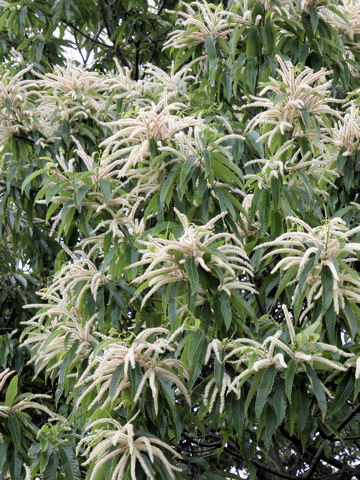
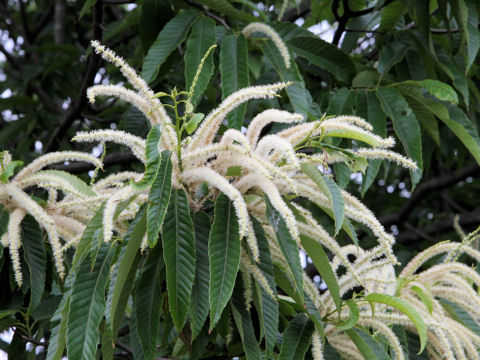
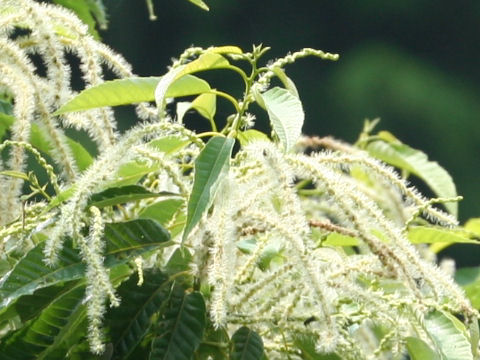
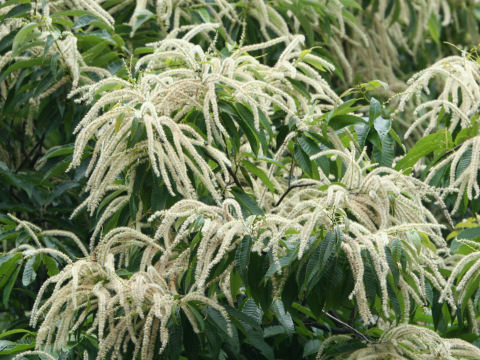
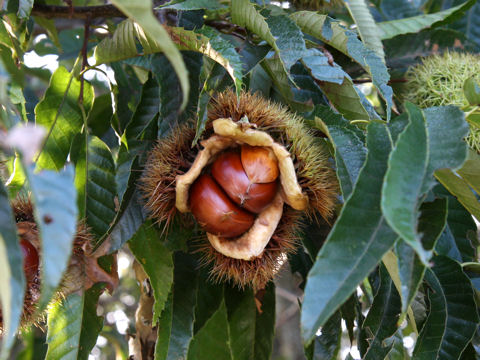
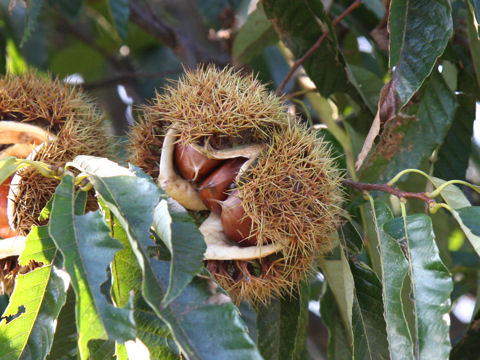
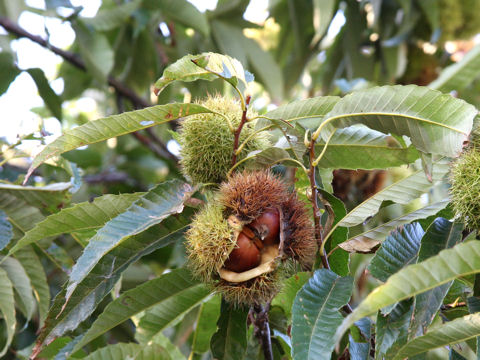
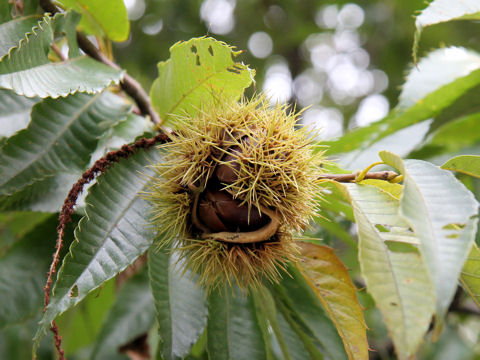
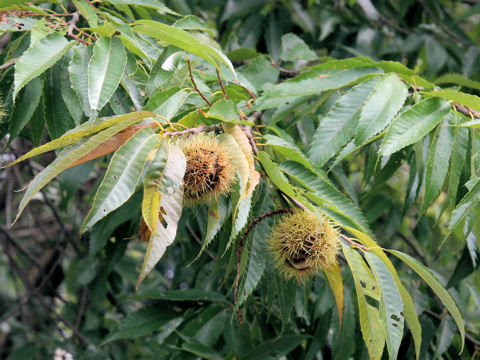
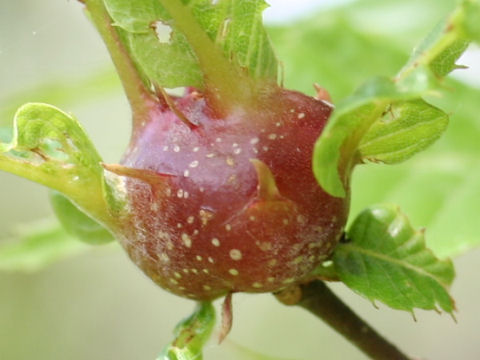
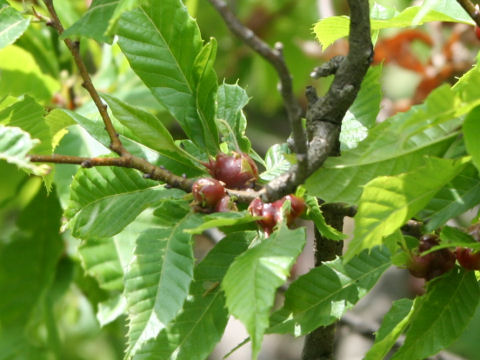
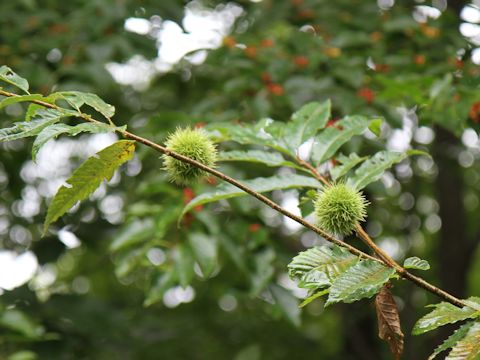
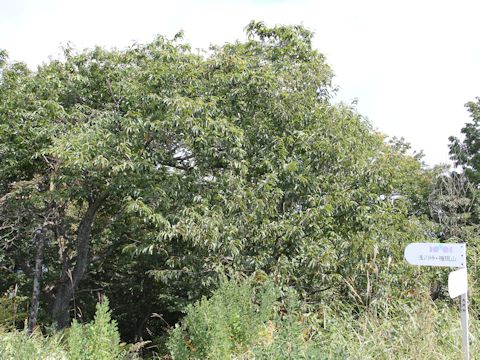
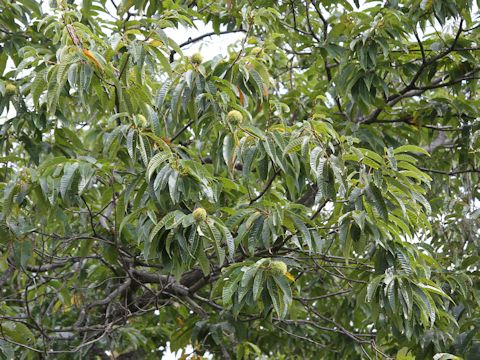
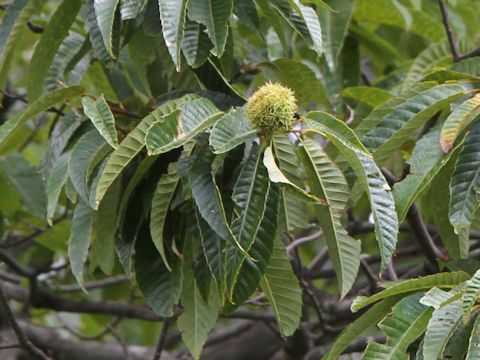
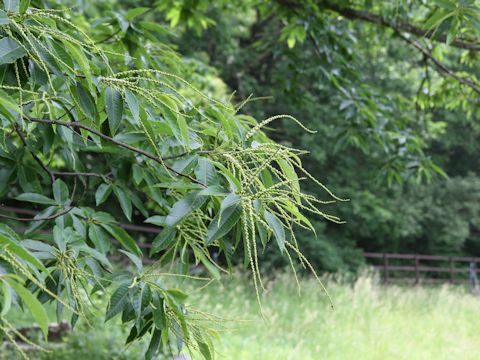
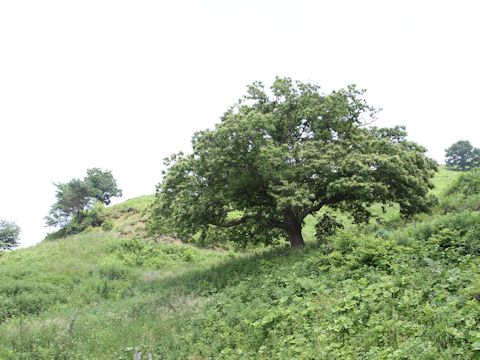
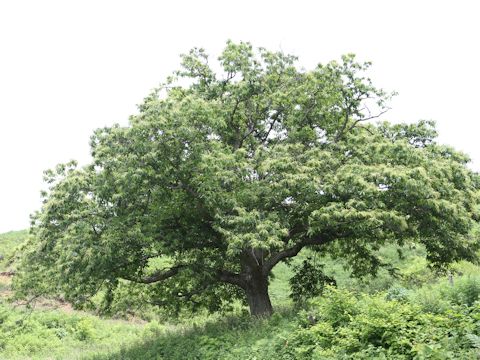
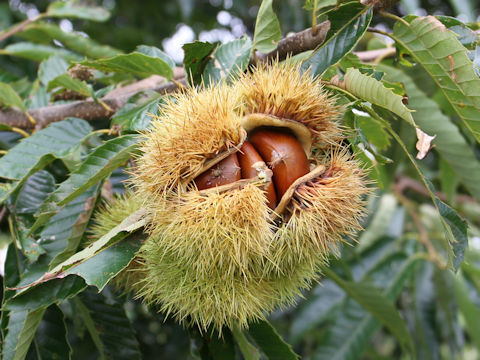
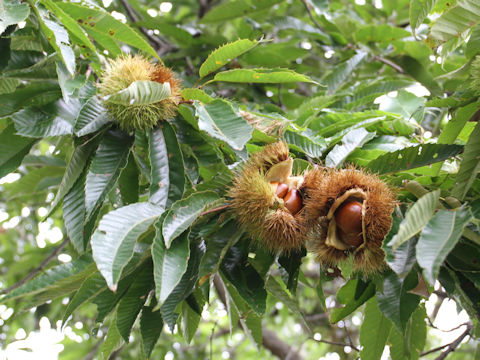
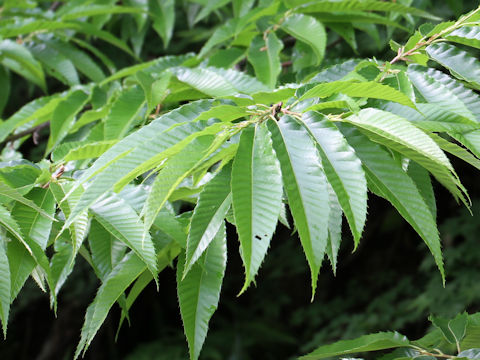
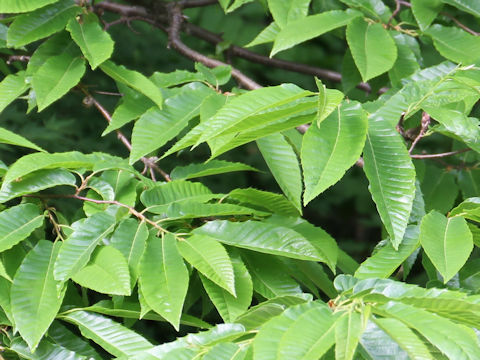
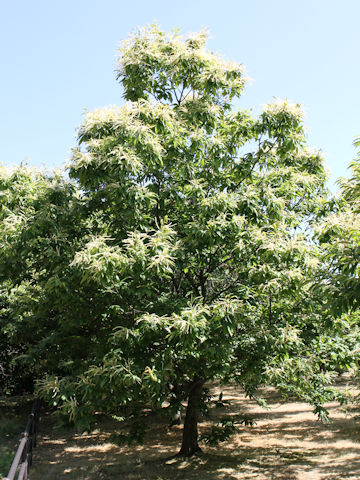
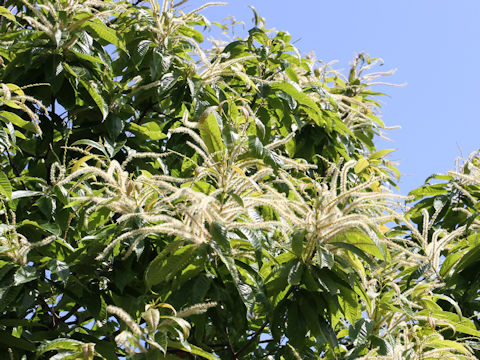
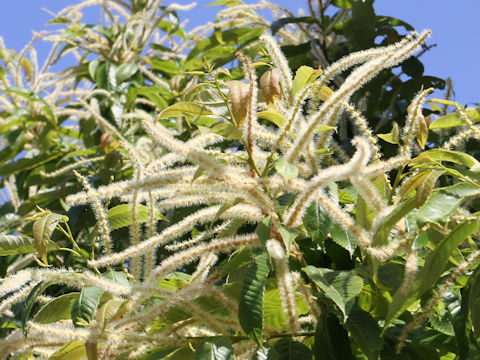
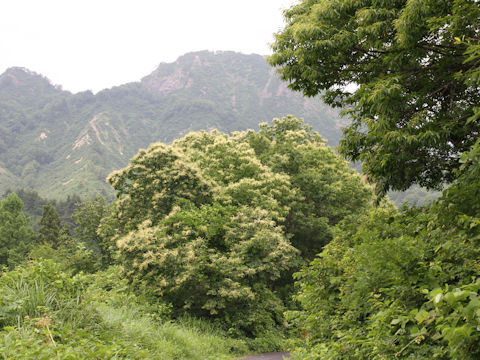
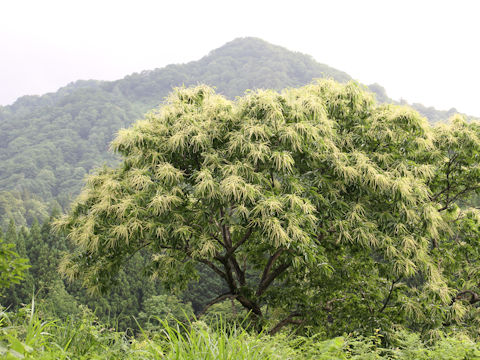
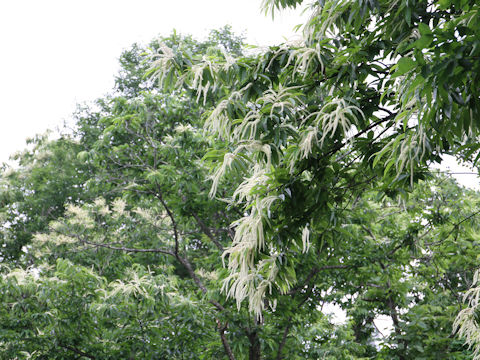
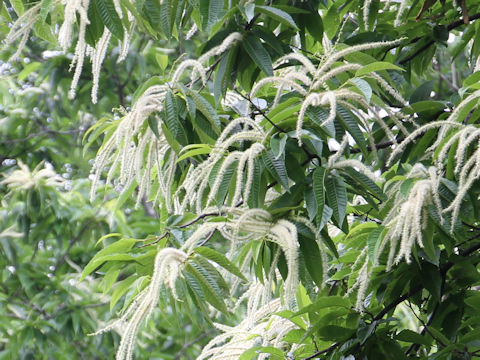
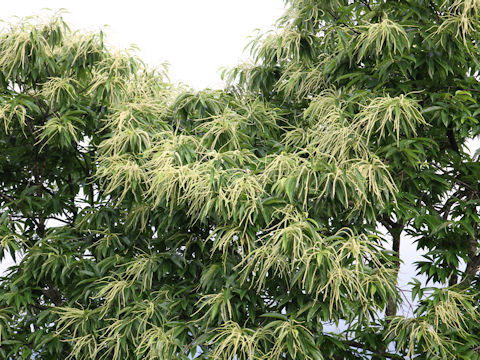
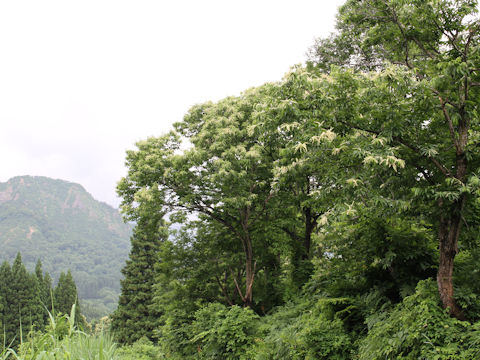
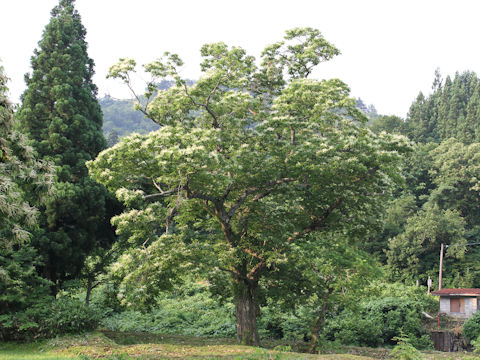
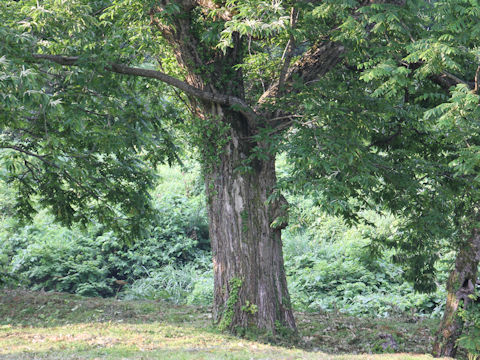
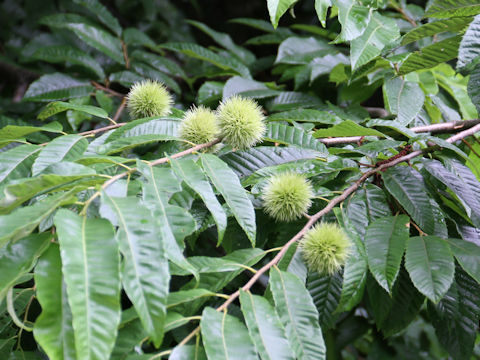
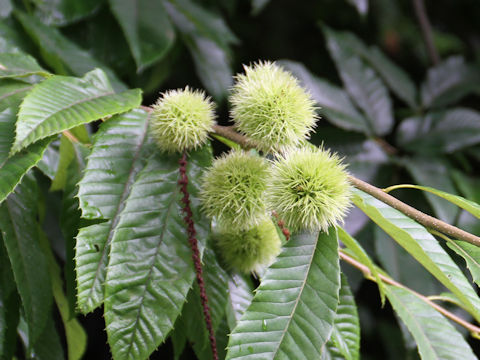
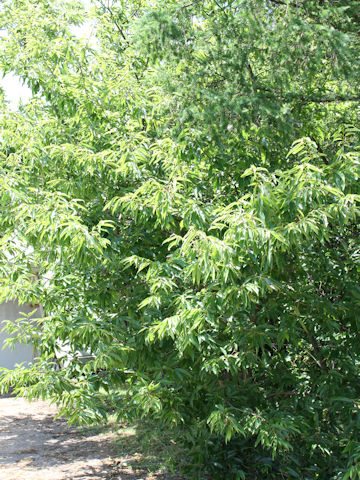
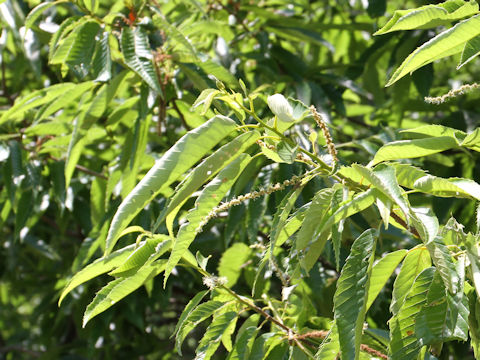
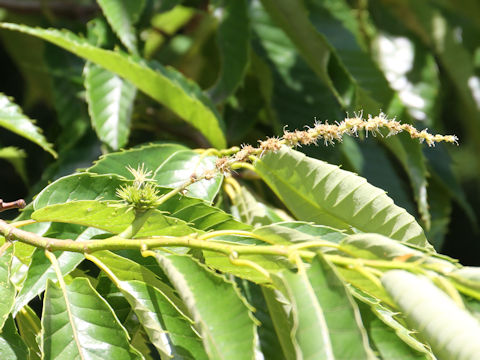
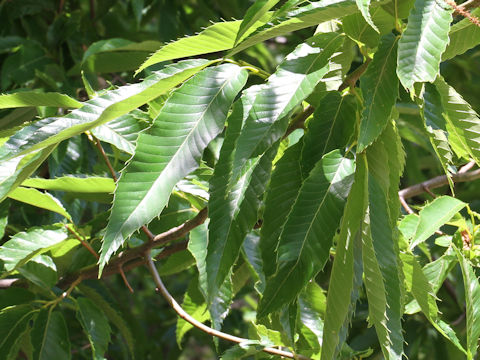
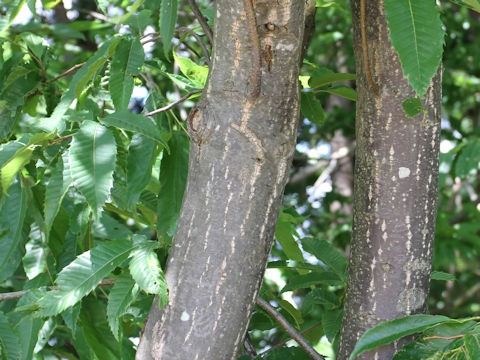
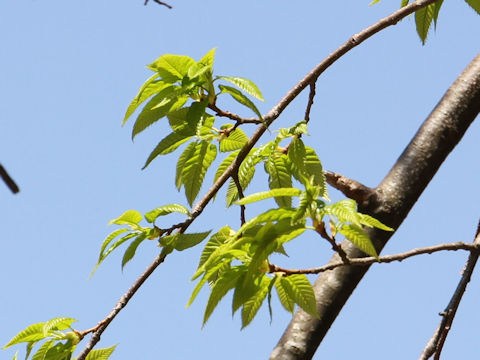
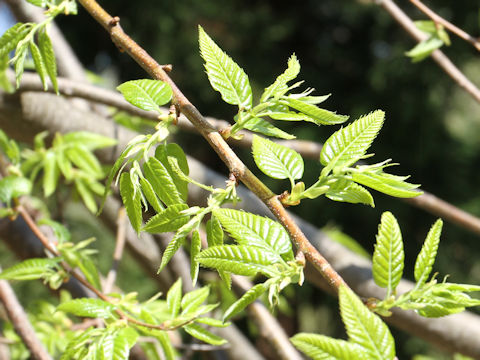
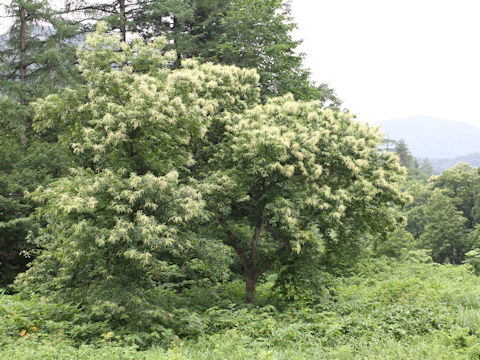
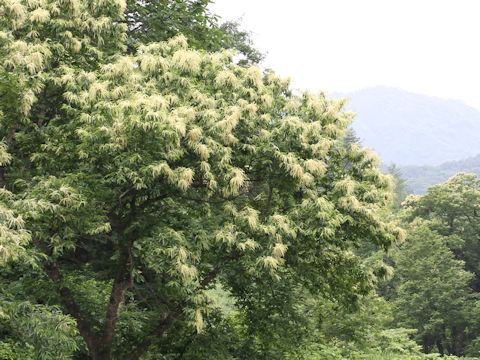
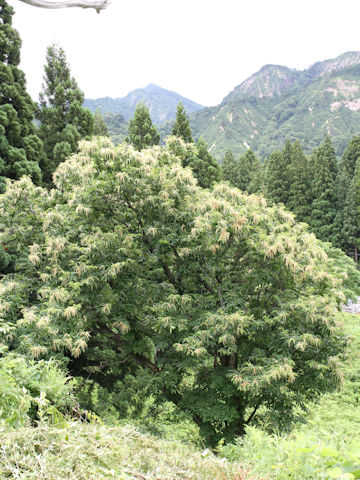
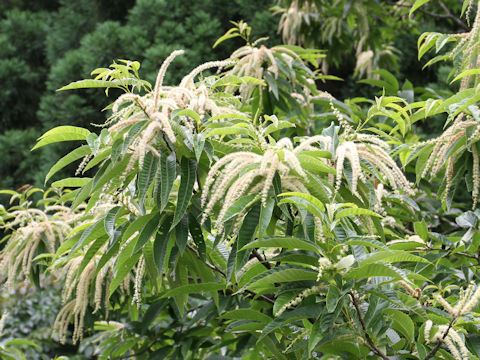
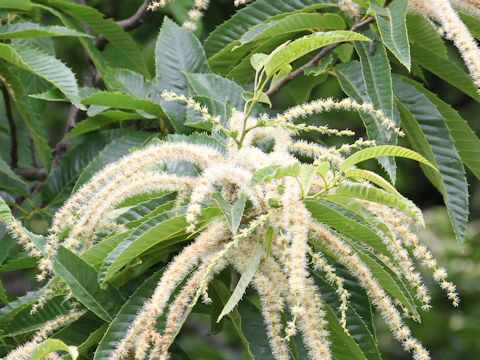
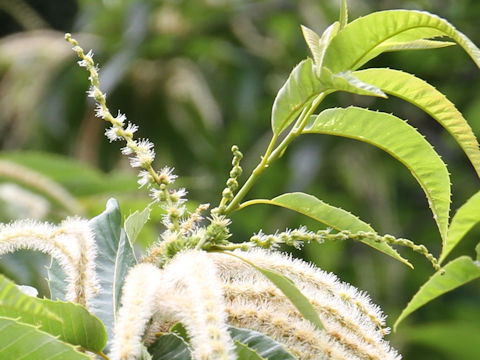
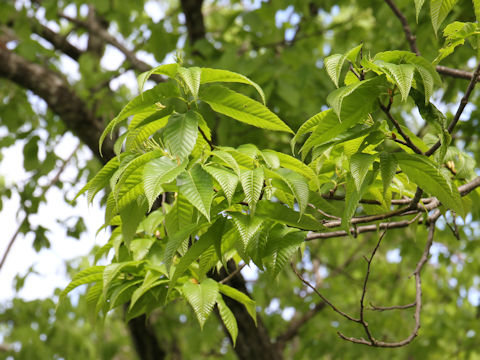
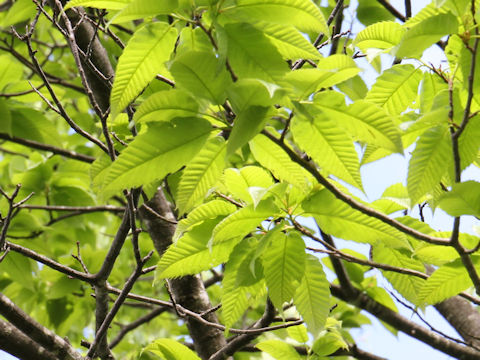
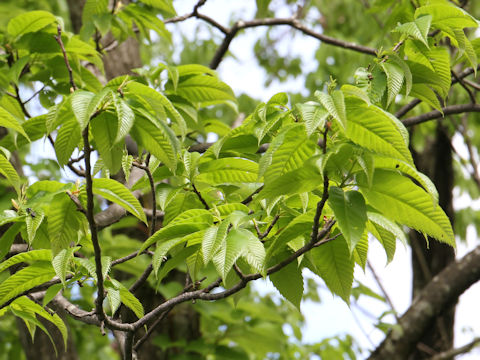
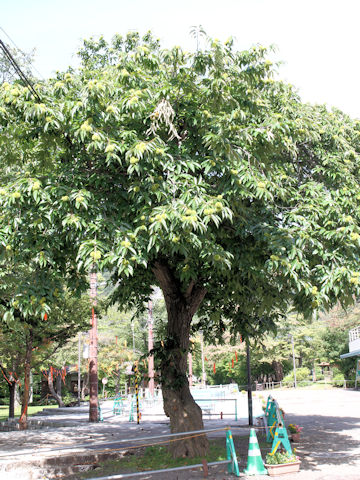
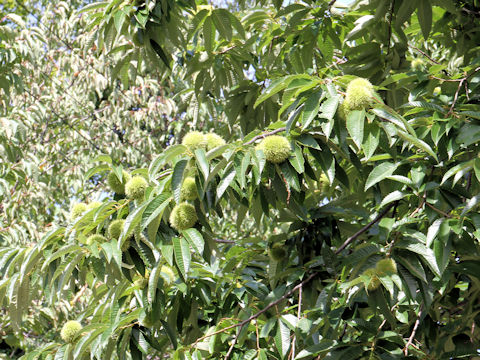
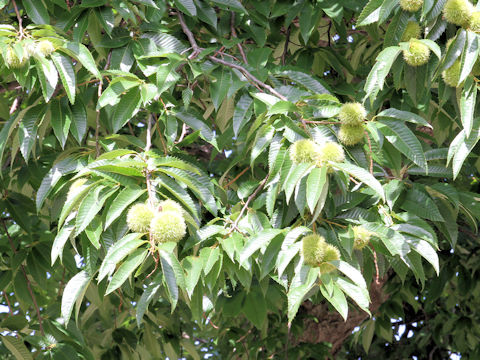
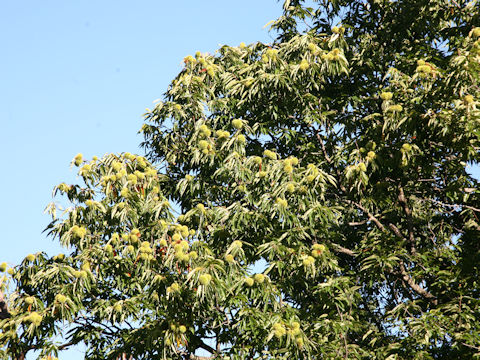
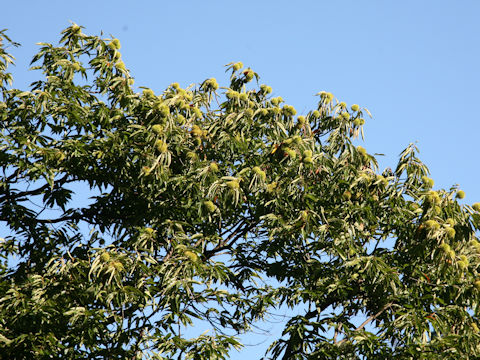
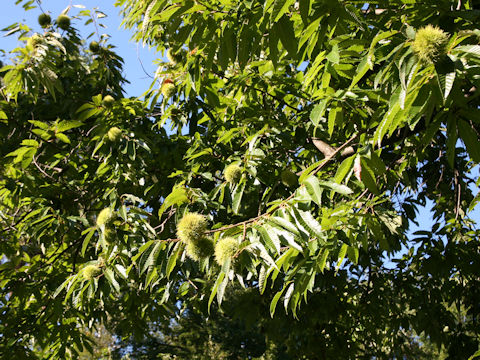
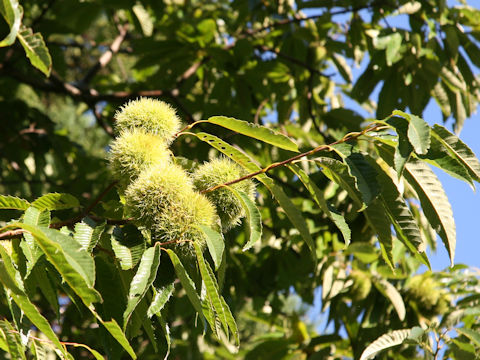
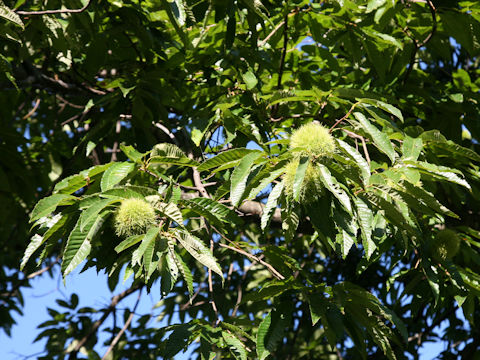
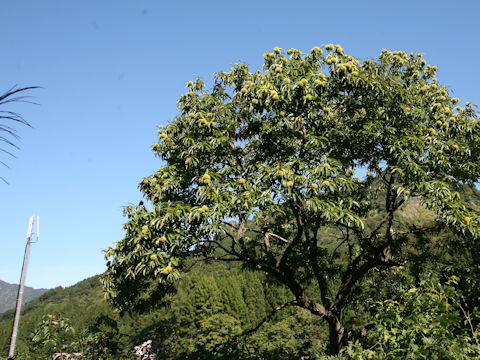
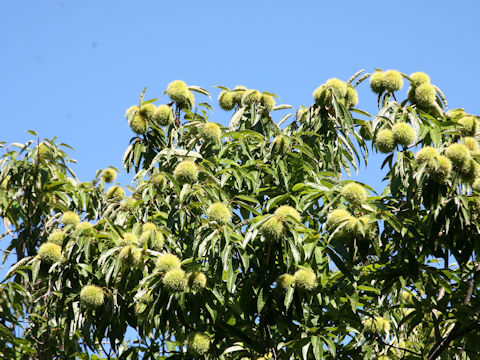
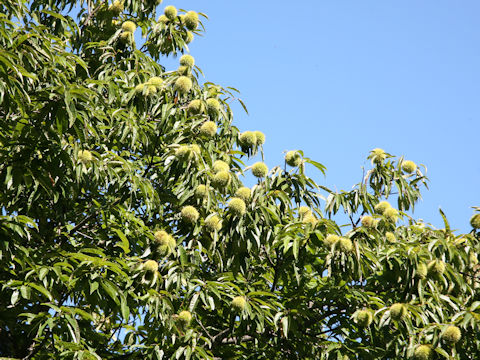
わが国の北海道西南部から本州、四国・九州、それに朝鮮半島南部に分布しています。丘陵から山地帯の雑木林に生え、高さは10メートルほどになり、長楕円形の葉は互生します。6月から7月ごろ、たくさんのひも状の雄花と、その基部に数個の雌花を咲かせます。花が開くと独特の匂いがあり、虫を誘います。野生の「くり」は「しばぐり(柴栗)」とも呼ばれ、果実の小さいものです。写真の中13・14は、クリタマバチによる虫えいで、「クリメコブズイフシ」。 |
|
|
ブナ科クリ属の落葉高木で、学名は Castanea crenata。英名は Japanese chestnut。 |
|
|
The Japanese chestnut (Castanea crenata) belongs to Fagaceae (the Beech family). It is a tall deciduous tree that is native from south-western Hokkaido to Honshu, Shikoku, Kyushu in Japan, as well as southern the Korean Peninsula. This tree grows in open brushes at hills to mountains, and can reach 10 m in height. The oblong leaves are arranged in alternate. The many string-like male flowers and the several female flowers at base of clusters are borne from June to July. The blossoming flowers have distinct odor and attract insects. The 14th and 15th photos are a kind of galls. |
|
|
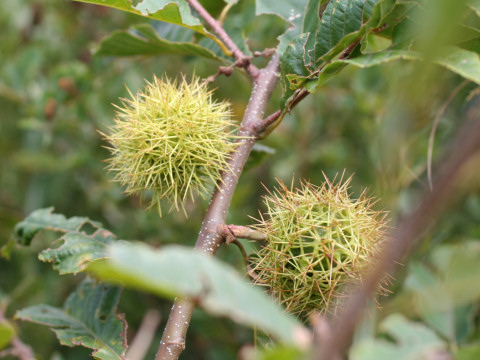
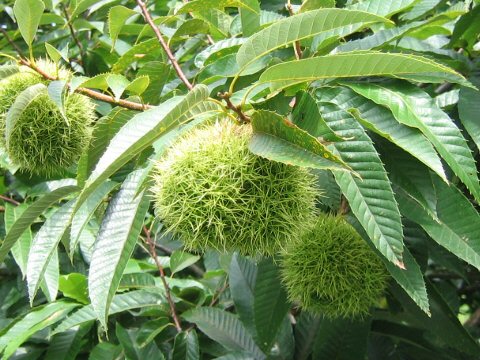
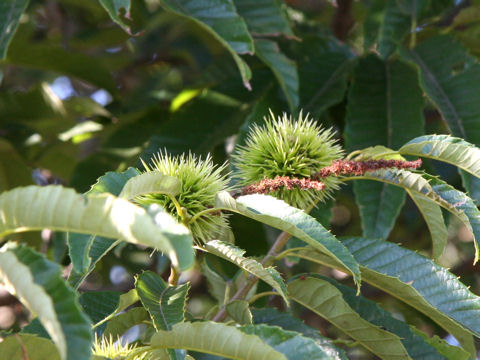
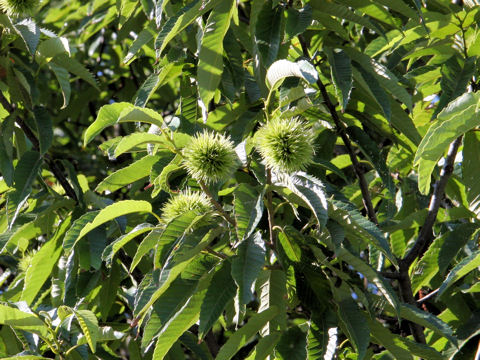
[上・中1] 千葉県香取市大角にて、2011年06月15日撮影。 [中6・中7] 同上にて、2011年07月13日撮影。 [中8~中10] 同上にて、2010年09月18日撮影。 [中2・中3] 大阪府高槻市田能にて、2006年06月28日撮影。 [中4] 大阪府河内長野市滝畑「岩湧山」にて、2005年09月30日撮影。 [中5] 岡山県柵原町藤田上にて、2004年08月25日撮影。 [中11・中12] 茨城県つくば市「つくば実験植物園」にて、2009年09月19日撮影。 [中13] 大阪府交野市「大阪市大付属植物園」にて、2006年05月06日撮影。 [中14] 同上にて、2006年05月12日撮影。 [中15] 茨城県北茨城市関本町小川にて、2013年09月08日撮影。 [中16~中18] 山梨県上野原市「扇山」にて、2013年09月22日撮影。 [中19~中21] 福島県二本松市「日山」にて、2014年06月21日撮影。 [中22・中23] 宮城県大衡村「大衡わらび山の幸園」にて、2016年10月08日撮影。 [中24・中25] 山形県小国町小玉川にて、2017年06月01日撮影。 [中29~中34] 同上にて、2017年07月02日撮影。 [中35・中36] 同上にて、2017年07月11日撮影。 [中42・中43] 同上にて、2019年05月12日撮影。 [中44・中45] 同上にて、2019年07月02日撮影。 [中46~中49] 同上にて、2019年07月08日撮影。 [中50~中52] 同上にて、2020年05月22日撮影。 [中56~中60] 同上にて、2021年09月19日撮影。 [中61~中63] 同上にて、2021年09月20日撮影。 [中26~中28] 鳥取県大山町「むきばんだ史跡公園」にて、2017年06月13日撮影。 [中35・中36] 新潟県粟島浦村「小柴山」にて、2017年08月18日撮影。 [中37~中41] 青森市三内「三内丸山遺跡」にて、2018年07月15日撮影。 [中53~中55] 北海道千歳市「支笏湖」にて、2020年09月22日撮影。 [中64~65・下] 宮城県仙台市泉区「水の森公園」にて、2024年09月10日撮影。 |


|
|

|
Shu Suehiro shu@botanic.jp
|