

|
 だいず (大豆)
|
|
|
|
-- もっと見る(Show more)--
-- 閉じる(Close) --
|
|
|
|

|
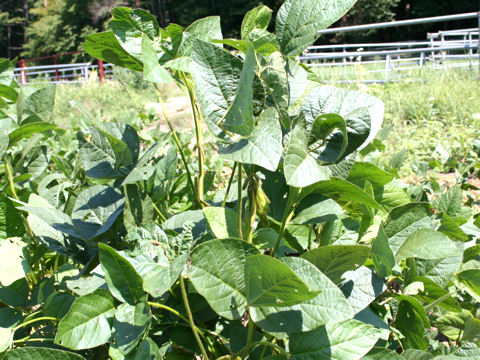
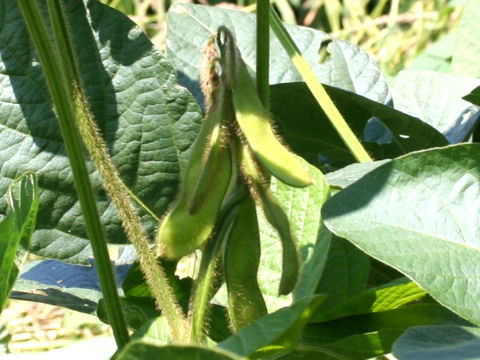
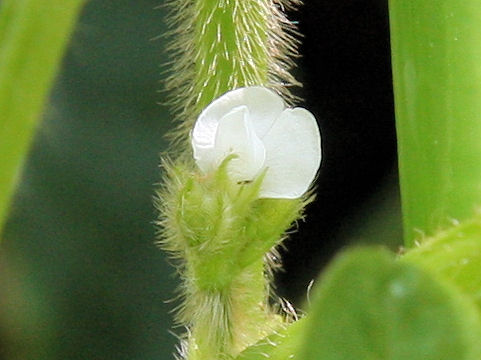
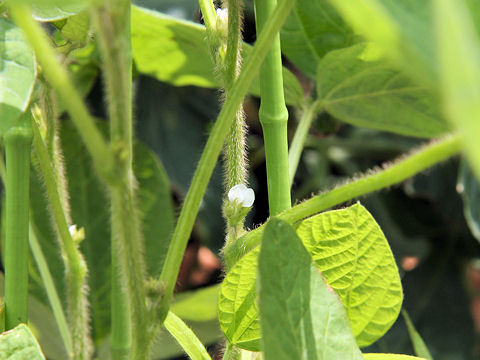
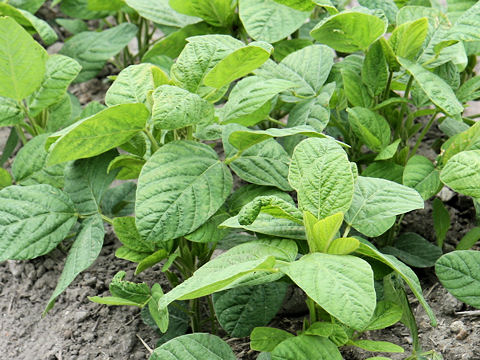
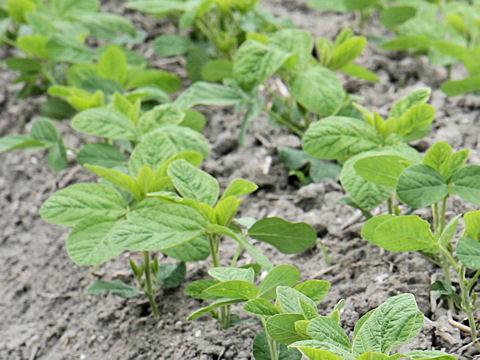
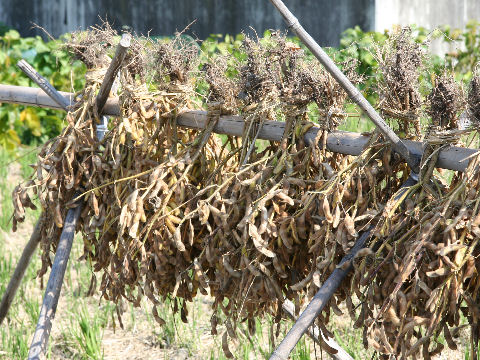
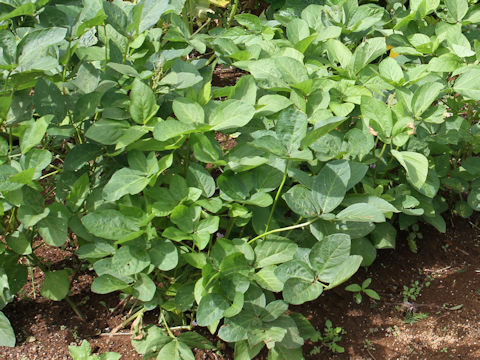
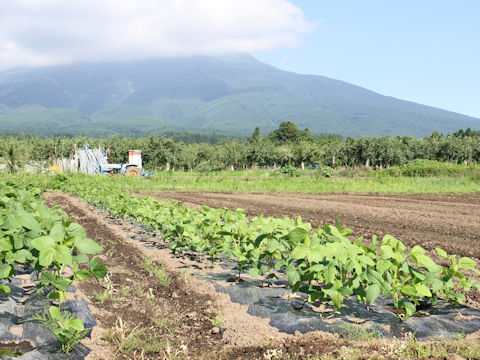
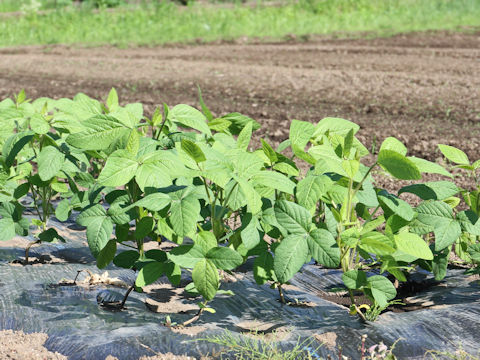
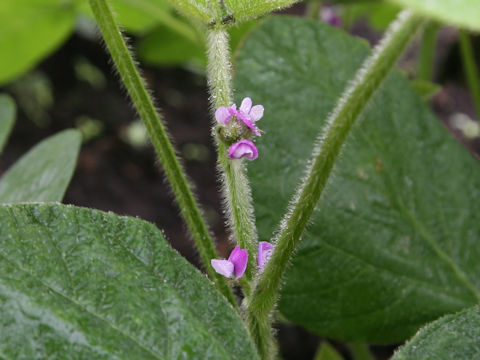
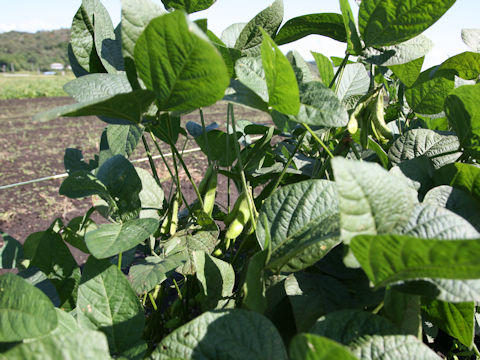
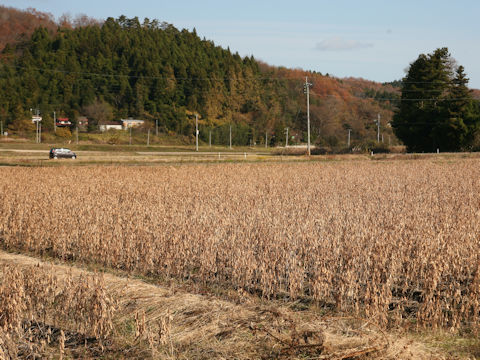
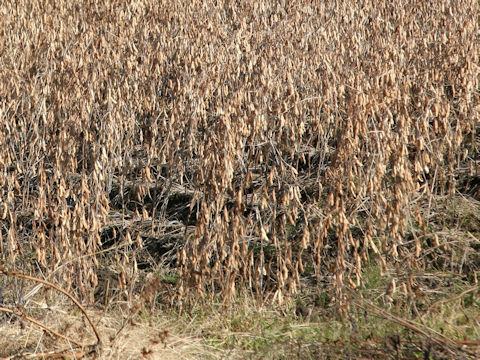
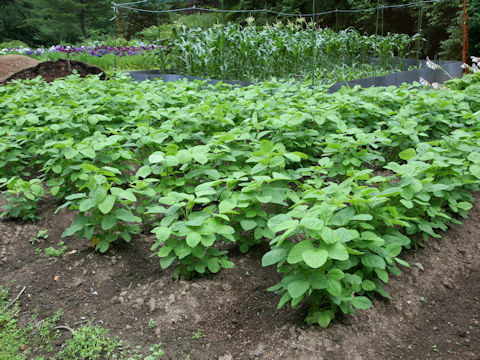
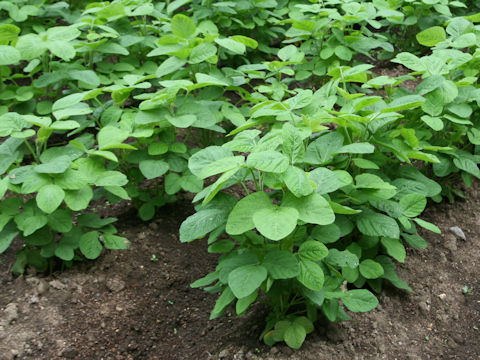
中国の東北部が原産と考えられています。わが国へは縄文時代に渡来しました。高さは30~90センチになり、葉は3出複葉で互生します。夏に茎の先端や葉腋から総状花序をだし、白色と紅紫色の2色の蝶形花を咲かせます。果実は莢果で、若い種子は茹でて枝豆として、また成熟した種子は豆腐や油揚げ、納豆や醤油、味噌それに大豆油などの原料に利用されます。写真中6は、稲架干し(はざぼし)。中国語では「大豆(da dou)」と呼ばれます。 写真中7の品種は、「黒五葉」(渡辺採種)、 中11・中12は、「秘伝」(佐藤政行種苗)、 中20は、「三河島」、 中21は、「鶴の子」(タキイ種苗)、 中22は、「くらかけ」、 中23は、「白鳥」、 中24は、「白毛早生」、 中25は、「湯あがり娘」(カネコ種苗)、 中26は、「ゆかた娘」(カネコ種苗)、 中27は、「福だるま」(カネコ種苗)、 中28は、「宝石」(タカヤマシード」、 中29は、「夕涼み」(サカタのタネ)、 中30は、「早生黒」、 中31は、「だだちゃ豆」、 中32は、「夏の茶豆」、 中33は、「ふさみどり」(サカタのタネ)、 中34は、「早生白鳥」、 中35は、「緑豊」(丸種) 中36は、「たんくろう」(丸種) 中37は、「滝姫」 中38は、「丹波黒」 中39は、「サッポロミドリ」(雪印種苗)、 中40は、「味風香」(雪印種苗)、 下は、「グリーン75」。 |
|
|
マメ科ダイズ属の一年草で、学名は Glycine max ssp. max。英名は Soybean。 |
|
|
The Soybean (Glycine max ssp. max) belongs to Fabaceae (the Pea family). It is an annual herb that is probably native to north-eastern China. This herb was introduced into Japan in Jomon Era (about 17000-2300 years ago). It can reach 30-90 cm in height, the leaves 3-lobed compound and alternate. The racemes are borne at the stem apices or axiles and bloom white and magenta papilionaceous flowers in summer. The fruits are cylindrical pods. The young seeds are used for boiled soybean, and the mature seeds provide the raw material for bean curd, deep-fried bean curd, fermented soybean, soy sauce, fermented soybean paste or Chinese bean oil. In Chinese, it is called "大豆" (da dou). |
|
|
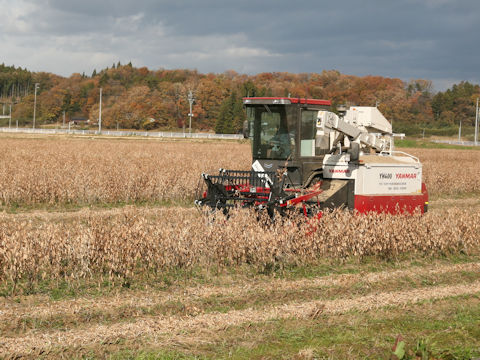
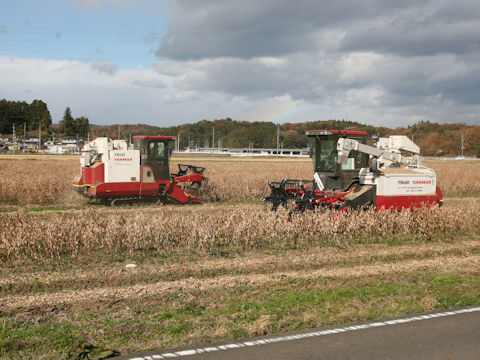
[上・中1] 長野県南箕輪村「信州大学農学部」にて、2005年08月29日撮影。 [中2~中3] 千葉県香取市阿玉川にて、2008年07月10日撮影。 [中4~中5] 大阪府枚方市招提元町にて、2007年05月16日撮影。 [中6] 同上にて、2006年10月30日撮影。 [中7] 千葉県香取市大角にて、2016年08月26日撮影。 [中20] 同上にて、2010年08月11日撮影。 [中21・中22] 同上にて、2011年08月02日撮影。 [中23~中30] 同上にて、2012年07月17日撮影。 [中31] 同上にて、2012年08月03日撮影。 [中32] 同上にて、2013年07月03日撮影。[中33~中38] 同上にて、2015年06月30日撮影。 [中39] 同上にて、2015年08月25日撮影。 [中8・中9] 青森県弘前市葛原にて、2018年07月15日撮影。 [中10] 宮城県川崎町支倉にて、2021年08月21日撮影。 [中11] 同上にて、2021年10月02日撮影。 [中12・中13] 同上にて、2021年11月20日撮影。 [中40] 同上にて、2020年08月16日撮影。 [中41・下] 同上にて、2021年08月21日撮影。 [中14・中15] 山形県鮎川町中渡にて、2023年07月03日撮影。 [中16・中17] 宮城県大河原町西にて、2023年11月24日撮影。 [中18・中19] アメリカ・テネシー州パリス市にて、2023年10月19日撮影。(photo by Jon Suehiro) |


|
|

|
Shu Suehiro shu@botanic.jp
|