 |
|

|
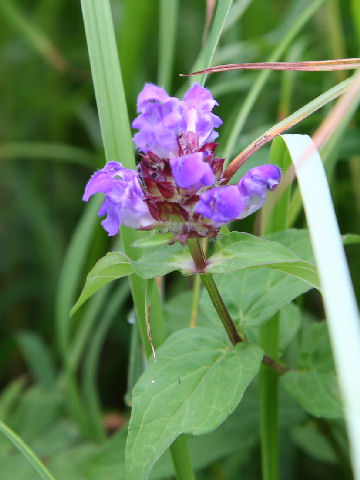
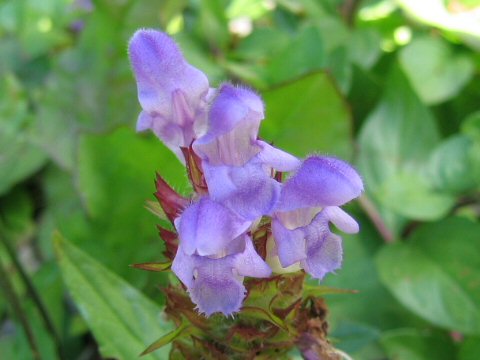
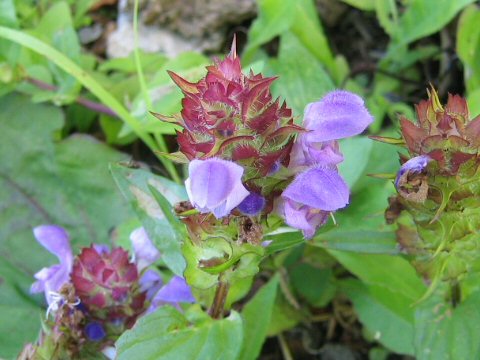
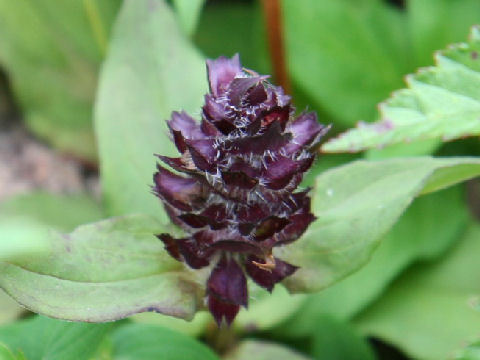
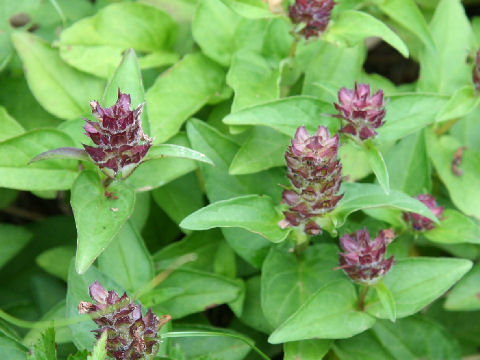
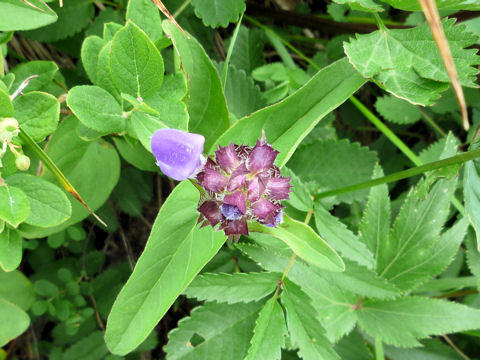
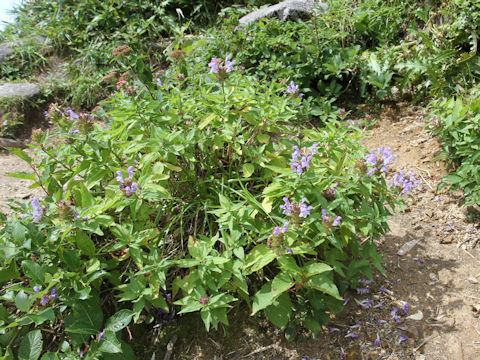
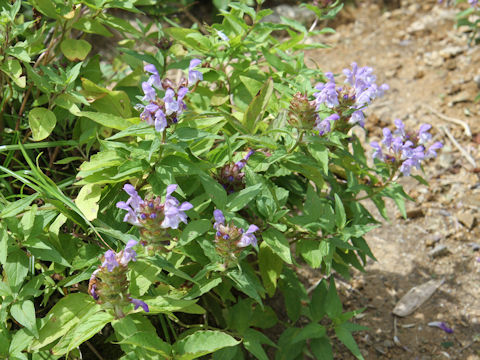
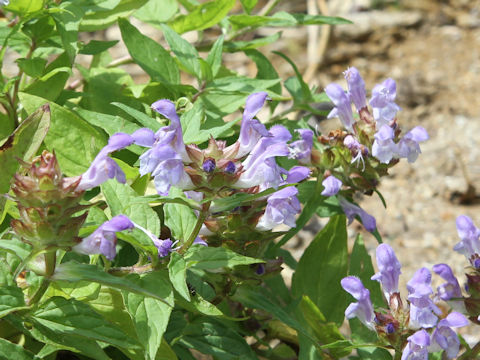
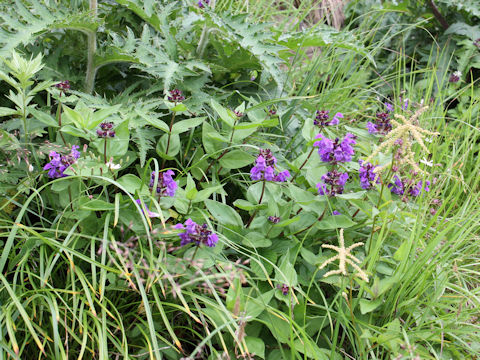
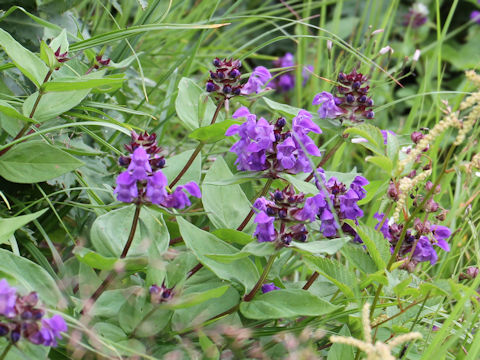
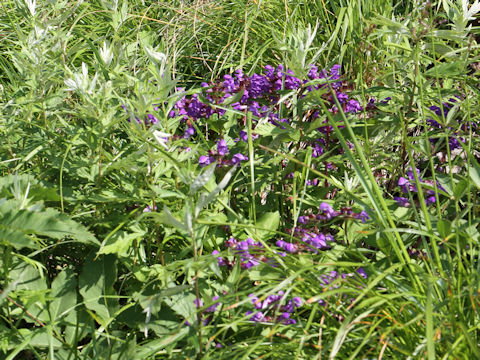
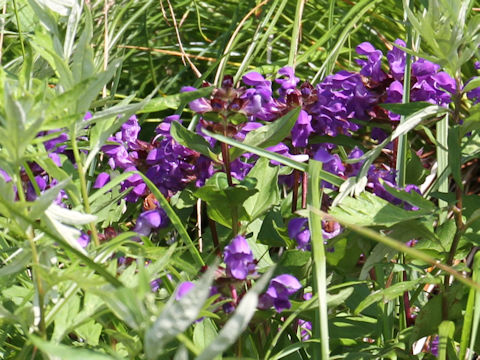
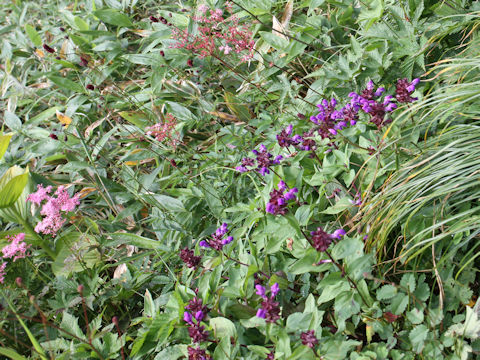
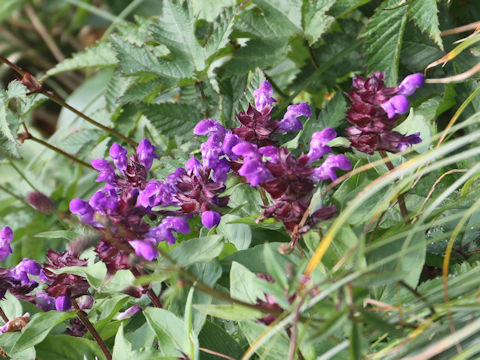
わが国の固有種で、本州の中部地方以北の日本海側に分布しています。亜高山帯から高山帯の草地に生え、高さは20~40センチになります。平地に生える「うつぼぐさ」と似ていますが、全体に大きくて葉柄がほとんどなく、茎の基部から走出枝を出さないのが特徴です。6月から8月ごろ、筒形の花序に、鮮やかな紫色の唇形花を咲かせます。
|
|
|
シソ科ウツボグサ属の多年草で、学名は Prunella prunelliformis。英名はありません。
|
|
|
The "Tateyama-utsubo-gusa" (Prunella prunelliformis) belongs to Lamiaceae (the Mint family). It is a perennial herb that is endemic to Japan, distributed northward from Chubu district to the Japan Sea side of Honshu. This herb grows in sub-alpine to alpine grasslands and can reach 20-40 cm in height. This herb resembles to Self-heal, thought it is defined that the petioles are little or nothing and the stolons do not put forth at the stem bases. The flowers are bright purple, labiate and bloom on the cylindrical clusters from June to August.
|
|
|
[上・中3~4] 長野県白馬村「八方尾根」にて、2006年08月25日撮影。
[中5] 同上にて、2008年08月09日撮影。(photo by Aya Suehiro)
[中1・中2] 石川県吉野谷村「瓢箪山」にて、2004年08月08日撮影。
[中6~中8] 栃木県那須塩原市「大峠」にて、2014年08月15日撮影。
[中9・中10] 長野県白馬村「唐松岳」にて、2016年07月30日撮影。
[中11~13・下] 同上にて、2016年07月31日撮影。
|

 たてやまうつぼぐさ (立山靭草)

 shu@botanic.jp